California car accident statute of limitations
In California you generally have 2 years from the date of the crash to file a lawsuit for your injuries. Miss it, and the court will dismiss the case no matter how clear the other driver’s fault was.
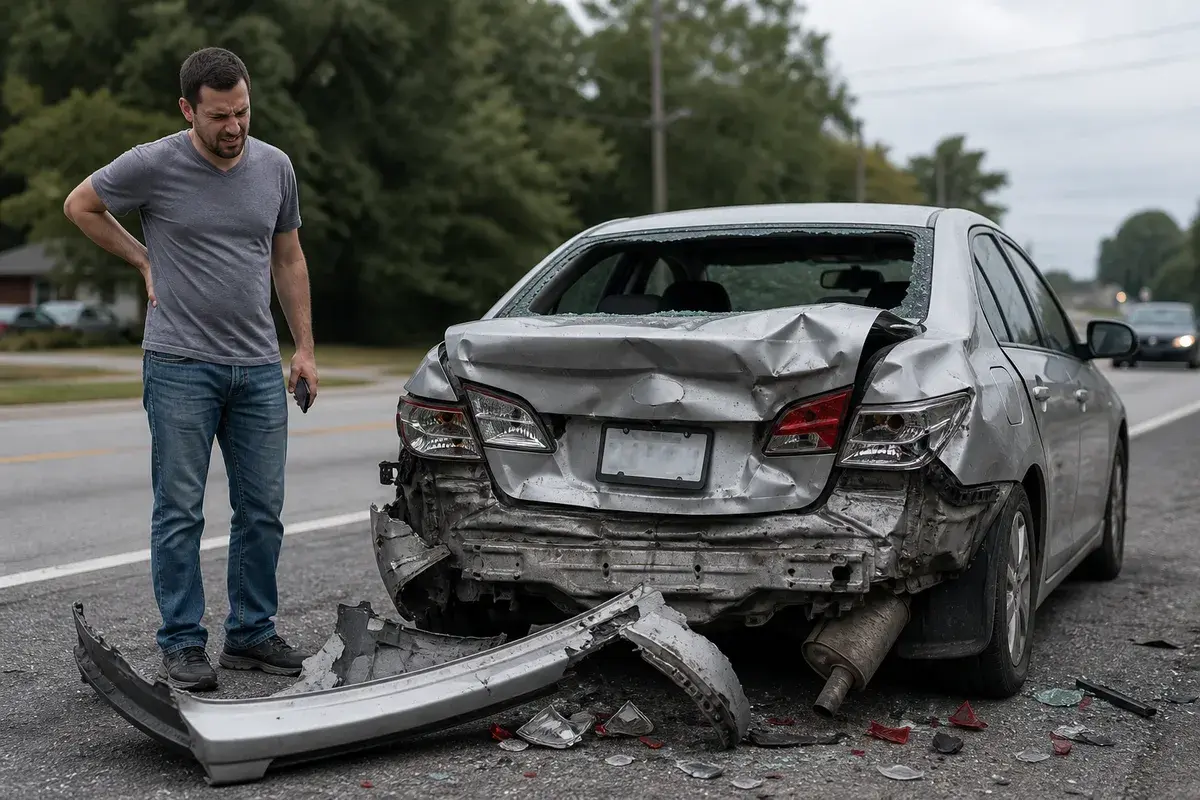
The 2-year deadline for injury claims
California’s statute of limitations for personal injury — which covers car, truck, motorcycle and pedestrian crashes — is 2 years. The clock usually starts on the day of the accident, not the day you finished treatment or the day the insurer made an offer.
The deadline is for filing a lawsuit, not for opening an insurance claim. Most claims settle without a lawsuit, but the insurer knows your deadline too. Once it has passed, you have no leverage left, and a settlement offer made close to it is often a test of whether you will run out the clock.
Source: Cal. Code Civ. Proc. § 335.1
Property damage has its own deadline
A claim for damage to your car or other property has a 3-year deadline in California. It is usually resolved much sooner than the injury claim, and settling the property damage does not settle your injuries.
Source: Cal. Code Civ. Proc. § 338
Claims against a city, county or the state
If a government vehicle or a road defect was involved, a much shorter clock applies. A written claim must be presented to the public entity within six months of the crash, before any lawsuit can be filed.
This matters more often than people expect: a crash with a city bus, a garbage truck, a police car, or one caused by a missing sign or a dangerous road design can all be claims against a public entity.
Source: Cal. Gov. Code § 911.2
When the clock can pause
Every western state recognises a small number of exceptions that pause (“toll”) the deadline — most commonly when the injured person is a minor, and in some circumstances when the at-fault driver leaves the state. These exceptions are narrow, fact-specific, and not something to rely on without an attorney confirming they apply.
Why waiting costs you even before the deadline
Surveillance footage from nearby businesses is often overwritten within days or weeks. Witnesses move and forget. Vehicles are repaired or scrapped, taking their crash data with them. A claim filed in month 23 is legally on time but frequently weaker than the same claim investigated in month one.
Real California results
Documented California verdicts and settlements from public court records.
| Case | Type | Result |
|---|---|---|
Alejandra Gonzalez v. County of Los Angeles Los Angeles County, 2026 · Car accident | Car accident | $1,500,000 settlement |
Jennifer Orta v. Matthew Bogy San Bernardino County, 2026 · Intersection crash | Intersection crash | $659,626 verdict |
Tito Flores v. CDS Equipment Los Angeles County, 2025 · Truck accident | Truck accident | $1,500,000 settlement |
Unger v. Greenberg Los Angeles County, 2023 · Car accident | Car accident | $600,000 settlement |
Cruz Luis v. Estate of Molloy Los Angeles County, 2025 · Rear-end collision | Rear-end collision | $1,425,000 settlement |
Real cases, shown as recorded in public court records. Verdicts are jury awards; settlements are agreed payments. They are other people’s cases and not predictions of what your case is worth. Every case is different. Prior results do not guarantee a similar outcome.
Frequently asked questions
How long do I have to file a car accident claim in California?
Generally 2 years from the date of the crash to file a lawsuit for injuries (Cal. Code Civ. Proc. § 335.1). Claims against a government entity have a much shorter notice deadline.
Does opening an insurance claim stop the clock?
No. Reporting the crash to an insurer, or negotiating with an adjuster, does not pause the statute of limitations. Only filing a lawsuit (or settling) protects the claim.
What if the crash involved a city vehicle?
A written claim must be presented to the public entity within six months of the crash, before any lawsuit can be filed.
Compare your crash with real cases
Our AI matches what happened to you against documented California verdicts and settlements. Free, about 60 seconds.
More California guides
California cities
This guide in other states
This page is general information about California law, reviewed September 2026. It is not legal advice, laws change, and the right answer for your claim depends on its facts. CaseChecker.ai is not a law firm; it connects people with independent attorneys licensed in their state.