Rear-end collisions in Oregon
Rear-end crashes are the most common type of collision, and the one where fault is usually clearest: the driver behind must keep a safe distance. The fight is usually over the injury, not the fault.
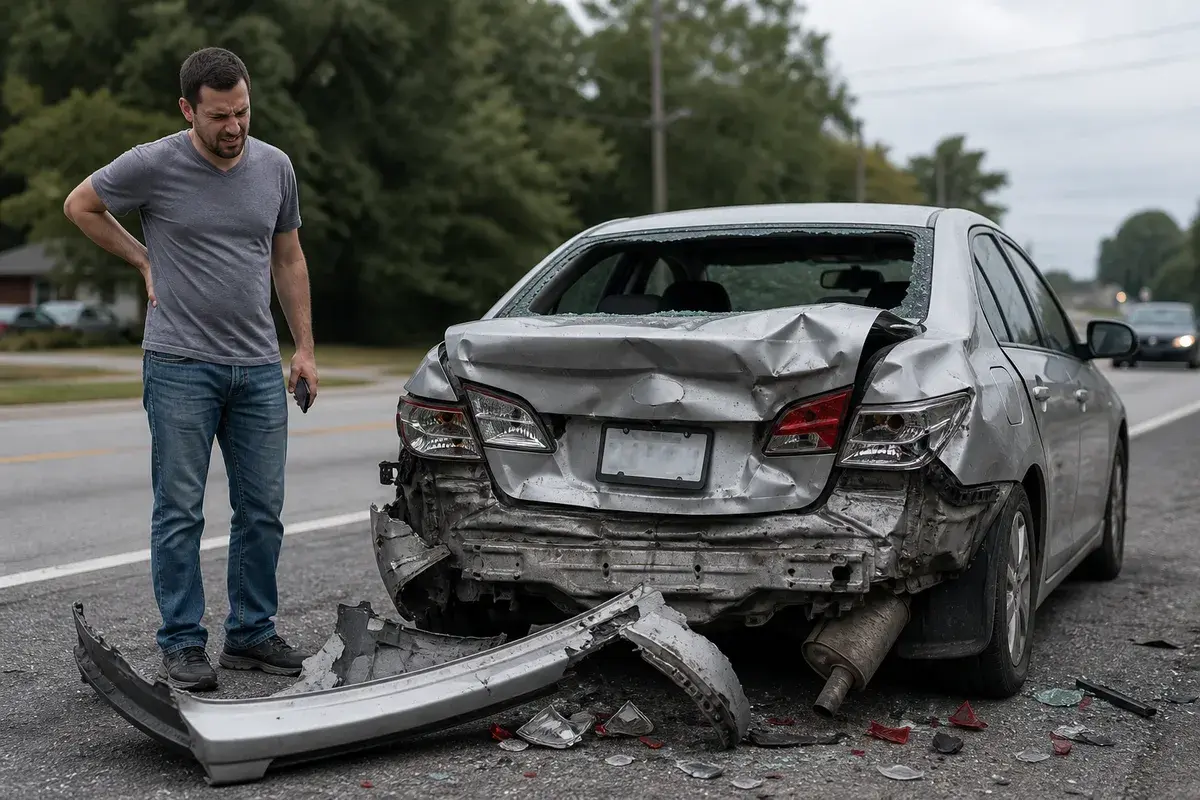
Why the rear driver is usually at fault
Every western state’s vehicle code requires drivers not to follow more closely than is reasonable and prudent for speed and conditions. A driver who hits a car ahead of them is presumed, in practice, to have followed too closely or not paid attention.
Exceptions exist — a lead car that reversed, cut in abruptly, or had no working brake lights — and they are what an adjuster will look for.
Whiplash and soft-tissue injuries get disputed
Neck and back injuries are the most common rear-end injuries and the most disputed, because they may not show on an X-ray and symptoms can appear a day or two later. Prompt medical care and consistent treatment records are what turn a “minor impact” argument around.
Low vehicle damage does not mean low injury. Modern bumpers are built to absorb impact without visible damage, which can transfer more of the force to the occupants.
Chain-reaction crashes
In a multi-car pile-up, more than one driver can share fault. Under Oregon’s modified comparative fault rule, a driver found 30% at fault recovers 70% of their damages — but a driver found more than 50% at fault recovers nothing.
Deadline
Oregon: 2 years to file an injury lawsuit (Or. Rev. Stat. § 12.110(1)).
Frequently asked questions
Is the rear driver always at fault?
Usually, but not always. A lead driver who reversed, cut in, or had no brake lights can share or carry the fault.
How long do I have after a rear-end crash in Oregon?
2 years to file an injury lawsuit (Or. Rev. Stat. § 12.110(1)).
Compare your crash with real cases
Our AI matches what happened to you against documented Oregon verdicts and settlements. Free, about 60 seconds.
More Oregon guides
Oregon cities
This guide in other states
This page is general information about Oregon law, reviewed September 2026. It is not legal advice, laws change, and the right answer for your claim depends on its facts. CaseChecker.ai is not a law firm; it connects people with independent attorneys licensed in their state.